5 Key Integration Points Between Yard Management Systems and Warehouse Operations
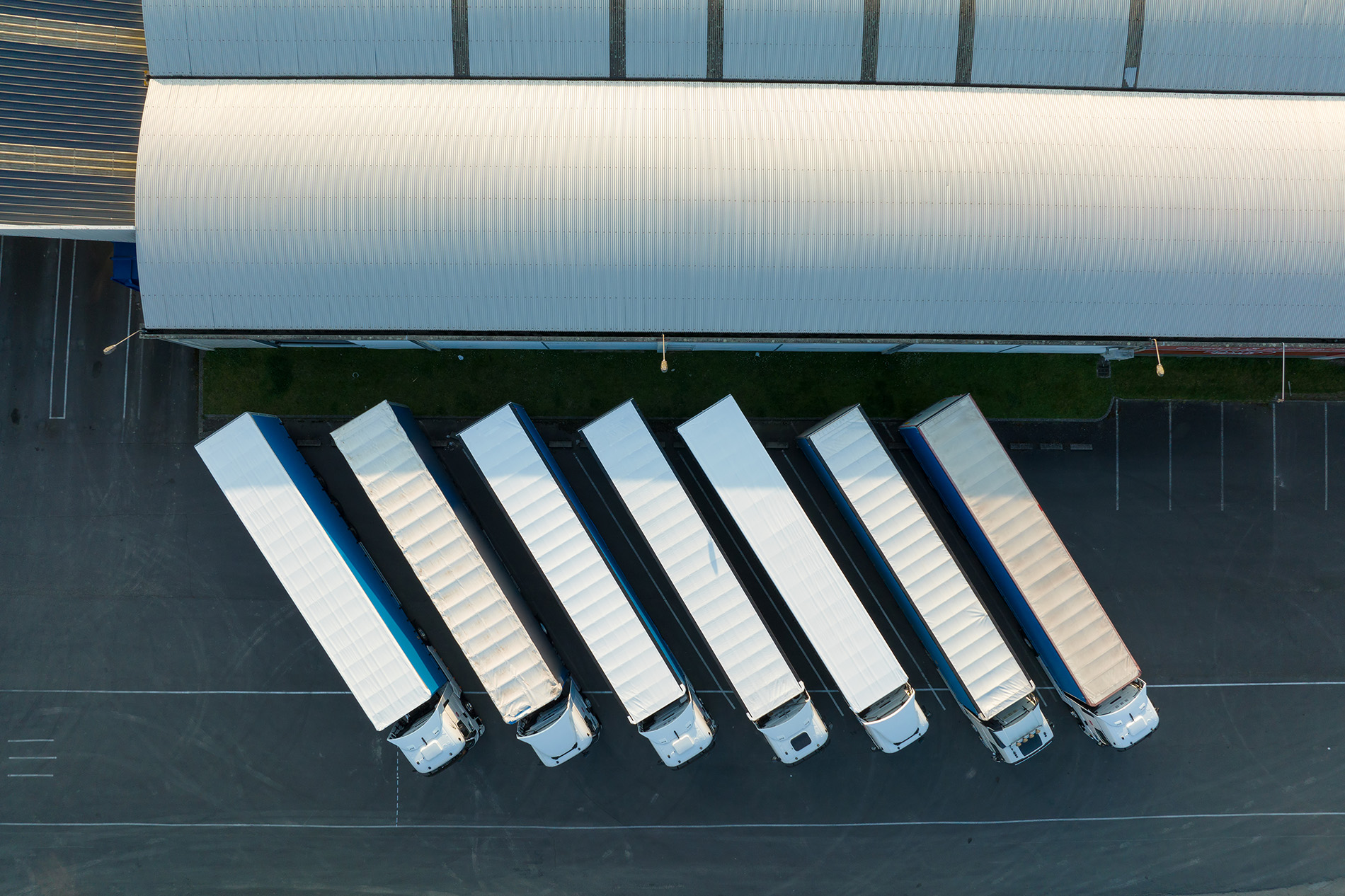
In today’s complex supply chain environment, the traditional boundaries between yard and warehouse operations are disappearing. Leading logistics operations recognize that true efficiency comes from seamless integration between yard management systems (YMS) and warehouse management systems (WMS). This integration eliminates information silos, reduces redundant processes, and creates a unified flow from gate to dock to storage.
The Integration Gap: A Common Pain Point
Despite investments in both yard and warehouse technology, many operations struggle with a critical gap between these systems. This disconnect creates numerous challenges:
- 68% of warehouse managers report delayed dock assignments due to limited yard visibility
- Receiving teams spend an average of 1.2 hours per shift locating expected trailers
- 42% of dock door utilization inefficiency stems from poor coordination with yard operations
- Cross-functional communication consumes 3-4 hours daily for typical warehouse supervisors
These challenges ultimately impact throughput, labor efficiency, and customer service levels. The solution lies in strategic integration between yard and warehouse systems.
Integration Point #1: Appointment Scheduling and Receiving Planning
The first critical touchpoint between yard and warehouse operations occurs during appointment scheduling.
Common Disconnects:
- Carriers book appointments without visibility into warehouse capacity
- Receiving teams lack advance information about incoming shipments
- Warehouse labor planning occurs separately from yard appointment schedules
- Priority shipments lack proper flagging across systems
Integration Solution:
Effective YMS-WMS integration provides bidirectional data flow for appointment management:
From WMS to YMS:
- Dock door availability windows
- Receiving staff capacity by time period
- Priority SKUs and urgently needed inventory
- Product-specific handling requirements
From YMS to WMS:
- Advance shipment details from carrier appointments
- Expected arrival times and contents
- Supplier performance metrics
- Documentation pre-clearance status
Business Impact: Organizations implementing integrated appointment scheduling report:
- 32% reduction in dock door idle time
- 27% improvement in receiving labor utilization
- 45% decrease in urgent inventory expediting
- 30% reduction in detention charges
Implementation Approach:
- API-based real-time integration between scheduling and labor planning
- Self-service carrier portal with rules-based appointment booking
- Dynamic dock allocation based on current warehouse conditions
- Exception management workflows spanning both systems
Integration Point #2: Gate Processing and Receiving Workflows
The second critical integration point occurs at the gate-to-receiving handoff.
Common Disconnects:
- Receiving personnel unaware of trailer arrival until physical notification
- Duplicate data entry between gate check-in and receiving systems
- Manual prioritization of received trailers without system guidance
- Limited visibility into yard-to-dock movement status
Integration Solution:
Synchronized gate and receiving processes create seamless handoffs:
Gate Process Integration:
- Digital BOL and documentation capture at gate with WMS accessibility
- RFID tag association with expected receipts in WMS
- Automated quality control and compliance checks against purchase orders
- Exception notification to receiving supervisors for discrepancies
Dock Assignment Optimization:
- Dynamic dock allocation based on current warehouse conditions
- Priority-based sequencing aligned with warehouse needs
- Labor assignment triggered by gate processing milestones
- Cross-docking identification for direct outbound routing
Business Impact: Integrated gate-to-receiving processes deliver:
- 78% reduction in data entry time
- 25% improvement in dock door utilization
- 35% acceleration in receiving cycle time
- 40% reduction in product put-away dwell time
Implementation Approach:
- Unified user interfaces showing both yard and warehouse status
- Mobile alerting for receiving teams when trailers arrive
- Barcode/RFID continuity from yard to warehouse scanning
- Status visualization on shared operational dashboards
Integration Point #3: Inventory Visibility Across Yard and Warehouse
The third integration point involves creating unified inventory visibility regardless of physical location.
Common Disconnects:
- Trailers in yards treated as “black boxes” until unloaded
- WMS inventory limited to items physically inside the facility
- Yard storage treated as temporary without inventory management
- Different identification systems for yard assets versus warehouse inventory
Integration Solution:
Unified inventory visibility creates a single source of truth:
Extended Inventory Management:
- Trailer contents visibility in yard inventory views
- Virtual warehouse locations for yard parking positions
- Inventory aging tracking for both warehouse and yard storage
- Cross-system search capabilities for inventory regardless of location
Yard Storage Optimization:
- Strategic trailer positioning based on content priority
- FIFO/FEFO enforcement across yard and warehouse
- Product-specific yard storage rules (temperature requirements, hazmat, high-value)
- Seasonal overflow management between warehouse and yard
Business Impact: Integrated inventory visibility delivers:
- 23% reduction in safety stock requirements
- 34% improvement in inventory accuracy
- 47% faster response to urgent order fulfillment
- 29% reduction in product obsolescence
Implementation Approach:
- Master data synchronization between YMS and WMS
- Location hierarchy modifications to include yard positions
- Extended attribute sharing for both systems
- Unified reporting and analytics across the inventory lifecycle
Integration Point #4: Outbound Coordination and Trailer Loading
The fourth integration point focuses on outbound operations from warehouse to yard.
Common Disconnects:
- Shipping planning occurs without yard capacity consideration
- Loaded trailers lack strategic staging locations in the yard
- Outbound documentation flows through manual handoffs
- Carrier coordination managed separately from loading operations
Integration Solution:
Synchronized outbound processes optimize the warehouse-to-yard transition:
Loading Operation Integration:
- Dock scheduling based on order fulfillment timing
- Trailer preparation status sharing between systems
- Loading progress visibility to yard operations
- Automated completion notifications triggering yard workflows
Outbound Yard Management:
- Strategic staging locations based on departure schedules
- Carrier-specific parking areas with rule-based assignment
- Outbound documentation electronically transferred through systems
- Load quality verification with cross-system record keeping
Business Impact: Integrated outbound operations deliver:
- 37% reduction in outbound staging space requirements
- 25% improvement in on-time departure performance
- 31% decrease in carrier wait time for pickup
- 28% acceleration in trailer turnaround time
Implementation Approach:
- Outbound workflow triggers between systems
- Electronic bill of lading generation with YMS-WMS handoff
- Synchronized completion status updates
- Yard move task generation from WMS loading completion
Integration Point #5: Analytics and Continuous Improvement
The fifth integration point involves unified performance metrics and analytics.
Common Disconnects:
- Separate KPIs for yard and warehouse performance
- Disconnected reporting structures and timeframes
- Inability to trace inefficiencies across operational boundaries
- Siloed improvement initiatives
Integration Solution:
Unified analytics create end-to-end visibility and improvement opportunities:
Integrated Performance Metrics:
- End-to-end cycle time measurement from gate to put-away
- Labor efficiency tracking across yard and warehouse activities
- Asset utilization reporting for both environments
- Detention/demurrage root cause analysis spanning both operations
Continuous Improvement Tools:
- Unified process mining identifying cross-functional bottlenecks
- Simulation modeling for process changes affecting both areas
- AI-powered optimization considering all operational constraints
- Predictive analytics for proactive resource allocation
Business Impact: Integrated analytics capabilities deliver:
- 42% more improvement opportunities identified
- 3.5x ROI on process improvement initiatives
- 27% reduction in total operating costs
- 35% improvement in perfect order fulfillment
Implementation Approach:
- Data warehouse integration from both YMS and WMS
- Unified dashboard development for cross-functional teams
- KPI alignment across departments
- Executive reporting with end-to-end visibility
Implementation Strategy: Building the Integration Roadmap
Successfully bridging the yard-warehouse gap requires a structured approach:
1. Current State Assessment
Begin with thorough documentation of existing processes and systems:
- Process mapping of current yard-warehouse interactions
- System interface analysis of existing touch points
- Pain point quantification with financial impact
- User experience evaluation from both operations
2. Integration Architecture Design
Develop a comprehensive technical blueprint:
- API and interface specifications between systems
- Data synchronization methodology
- Master data management approach
- Security and access control framework
3. Phased Implementation Plan
Most successful integrations follow a staged approach:
- Phase 1: Basic data sharing and visibility
- Phase 2: Core workflow integration points
- Phase 3: Advanced optimization and analytics
- Phase 4: AI-powered automation and optimization
4. Change Management Strategy
Technical integration must be accompanied by operational alignment:
- Cross-functional team development
- Unified SOP creation
- Joint training programs
- Shared KPI implementation
Case Study: Distribution Center Transformation
A national retailer implemented YMS-WMS integration across their distribution network with impressive results:
Before Integration:
- 4.2 hours average receiving cycle time
- 75% dock door utilization
- 8% of orders delayed due to yard-warehouse coordination issues
- $1.8M annual detention costs
- 82% inventory accuracy for yard-stored goods
Integration Approach:
- Phase 1: Appointment scheduling and dock door synchronization
- Phase 2: Gate-to-receiving workflow integration
- Phase 3: Unified inventory visibility
- Phase 4: Outbound coordination optimization
- Phase 5: Analytics and performance management
After Integration:
- 1.7 hours average receiving cycle time (60% reduction)
- 92% dock door utilization
- 1.5% of orders delayed (81% improvement)
- $720K annual detention costs (60% reduction)
- 99.3% inventory accuracy for yard-stored goods
The project delivered 315% ROI within the first year while creating capacity to handle 20% volume growth without facility expansion.
Technology Considerations for Successful Integration
The technology foundation must support seamless information flow between systems:
1. Integration Architecture Options
Several approaches can enable YMS-WMS integration:
- Direct API connections between modern systems
- Enterprise service bus (ESB) for complex environments
- Integration platform as a service (iPaaS) for cloud solutions
- Custom middleware development for legacy systems
Each approach has advantages based on existing infrastructure and long-term strategy.
2. Data Synchronization Strategy
Effective integration requires a clear data strategy:
- Master data governance for shared entities
- Real-time vs. batch updates based on operational needs
- Conflict resolution procedures for competing updates
- Historical data management for analytics and audit
3. User Experience Considerations
The human element is critical for successful integration:
- Role-based access to appropriate functions
- Contextual information presentation based on user needs
- Consistent terminology across systems
- Unified notification approach for exceptions
Conclusion: Breaking Down the Final Supply Chain Silo
The yard-warehouse boundary represents one of the last major silos in supply chain operations. By implementing strategic integration between yard management systems and warehouse management systems, organizations can create seamless flows, eliminate redundancies, and unlock significant efficiency improvements.
The most successful organizations approach this integration not as a technical exercise but as a fundamental operational transformation—aligning processes, people, and performance metrics to create truly unified operations from gate to dock and beyond.
AllTechLogistics specializes in creating seamless integration between yard management systems and warehouse operations. Our SAAS-based YMS platform features robust API capabilities and pre-built connectors for major WMS solutions. Our custom development services can bridge even the most challenging integration gaps. Contact us to discuss how we can help optimize your end-to-end operations.